Wander by the Water: Dartmoor Days for Kids and Grown‑Ups
Join us as we explore family‑friendly river walks across Dartmoor, highlighting playful pauses and picnic‑perfect spaces beside gentle currents. We’ll focus on accessible paths, safe banks, stepping‑stone adventures, soft meadows, and practical tips that help parents relax while children discover. Expect clear guidance on distances, facilities, and simple nature games, plus real‑world suggestions for places like Fingle Bridge, Postbridge, and Spitchwick. Pack a flask, a curious spirit, and a big blanket for unhurried moments that become cherished memories.

Finding Gentle Paths Beside Dartmoor’s Rivers
Choosing where to begin can feel overwhelming, so let’s narrow it to calm stretches with friendly gradients, sturdy footbridges, and spots where little explorers can safely get close to the water. We’ll balance pushchair practicality with woodland wonder, matching loop lengths to attention spans. Expect suggestions that avoid long exposure on open moor, provide shade in summer, and keep exit points simple if naps call. Comfort, curiosity, and confidence guide every turn along these paths.
Safety First Without Losing the Joy
Rivers change quickly on Dartmoor, yet safety can feel reassuringly simple with a few family habits. We’ll read water, not just maps; respect recent rain; and carry layers for shade, wind, and those playful splashes that outsmart cuffs and boots. Mobile signal fades in valleys, so offline maps and a meeting point help everyone relax. Think of safety as an invisible hug around your day, steadying the adventure while the wonder roams freely.
Teach children to notice clues: brown, churning water means faster flow; clear, quiet eddies often feel calmer but can hide sudden drops. Test depth with a stick before stepping. Watch for undercut banks disguised by grasses, and avoid mossy rocks that shine emerald and slippery. After heavy rain, choose higher paths away from spates. Turning back is not failure; it is skilled judgment. Share these observations aloud so young walkers learn by listening and looking.
Dartmoor’s sky writes its own script, so build flexibility into your plan. A lightweight waterproof, warm layers, sunhat, and quick‑dry socks keep moods bright. Pack a small first‑aid kit, whistle, chocolate morale, and a printed map as backup to phones. A microfibre towel rescues surprise paddles, while a thermos lifts spirits in breezes. Check river levels after rain, start early to beat crowds, and keep loops adaptable. The best days dance with changing light.
Simple phrases stick: “Feet stay dry unless grown‑ups say try,” “One at a time on stones,” and “Stop, point, tell” when spotting wildlife or hazards. Assign a buddy for bridge crossings, and play the “red leaf” freeze game to practice quick halts. Review what3words or a meeting tree. Praise caution loudly so courage learns balance. These playful rituals create reliable rhythms, turning safety into a shared game, not a lecture that dampens everyone’s sparkle.
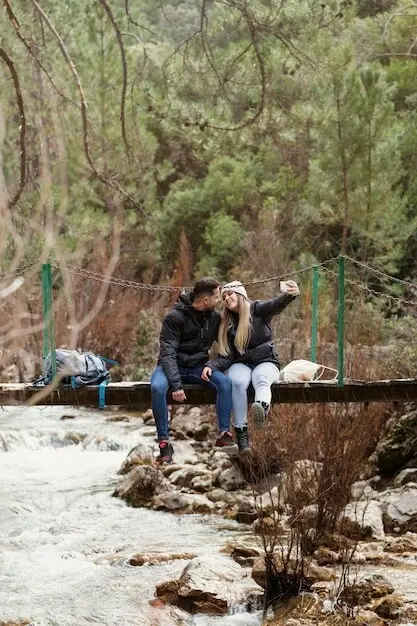




Play Along the Banks: Games, Curiosity, and Creativity
Rivers invite invention. With pockets full of pebbles and heads full of questions, children discover stories in ripples, bark rafts that race, and mud shapes that crumble back with a laugh. We’ll blend simple science with imaginative play, encouraging careful collecting and joyful releasing. Whether spotting a wagtail’s tail‑flick or tracking bubbles beneath a fallen branch, every moment becomes a shared experiment. Keep curiosity kind, leave habitats whole, and let play guide the route’s rhythm.
Picnic Magic: From Meadow Blankets to Warm Flasks
Good food turns a riverside pause into an event. We’ll find soft grass with dappled shade, choose views that welcome watchful rest, and set a rhythm where snacks spark stories. Local treats mingle with simple homemade bites, while a flask anchors warmth against moorland breezes. We’ll plan for waste‑free delight and sudden showers, keeping comfort high and crumbs minimal. Imagine laughter bouncing off water as sandwiches disappear and a shared orange becomes sweet sunshine.
Wildlife, Seasons, and When to Go
Dartmoor’s rivers hum with life that ebbs and surges by season. Timing your walk turns chance into likelihood: flowers opening along shaded banks, mayflies drifting like confetti, or frost knitting delicate bridges across puddles. We’ll match daylight to attention spans, avoiding hottest hours and watching for early mist that quiets crowds. Gentle observation respects habitats while rewarding patience. With awareness, families witness moments—an otter’s swirl, a dipper’s dive—that anchor stories long after boots dry.
Spring and Summer: Bluebells, Butterflies, and Busy Paths
In late spring, bluebells light up woodland approaches near rivers, scenting air and lifting strides. Butterflies zigzag along sun patches, while wagtails patrol stones. Warmer weekends invite more visitors, so start early for calm water and open spaces. Bring extra water, sun protection, and bug repellent. Choose shaded banks where pauses feel natural, and take midday breaks beneath trees. Teach children to watch before stepping into shallows, as warm spells can still hide swift, narrow currents.
Autumn and Winter: Low Sunlight and Sparkling Frost
When leaves blaze copper, rivers mirror embered tunnels that invite slow contemplation. Shorter days ask for earlier starts, spare head‑torches, and snug layers. After frost, rocks sparkle yet turn treacherously slick, so pick routes with sturdy rails and good tread. Pack hot chocolate and an extra scarf for shared warmth. Watch smoky breath drift above the water and listen to winter’s hush. These seasons reward brave hearts with quiet paths and deep, glowing coziness.
Respecting Nesting Birds, Otters, and Roosting Bats
Wild neighbors come first. Keep distance from bankside burrows and low branches where birds settle. Observe quietly if ripples suggest an otter passing, and step back rather than closer. Avoid shining lights into crevices at dusk to protect bats. Teach children to whisper near nests and keep dogs close. Explain that brief, respectful glimpses become lifetime memories. The best wildlife stories end with gentle footsteps retreating, leaving homes undisturbed and chances for future families to witness wonder.
Maps, Facilities, and Easy Navigation
A little planning frees your mind to notice sunlight on water. We’ll combine printed maps with offline apps, choose car parks close to gentle starts, and note where toilets, cafés, and picnic tables cluster. Not every valley welcomes signal, so grid references and simple waymarks become trusted friends. We’ll encourage a slow arrival, a clear return time, and small margins for surprises. When logistics feel soft and certain, curiosity confidently leads the day forward.